
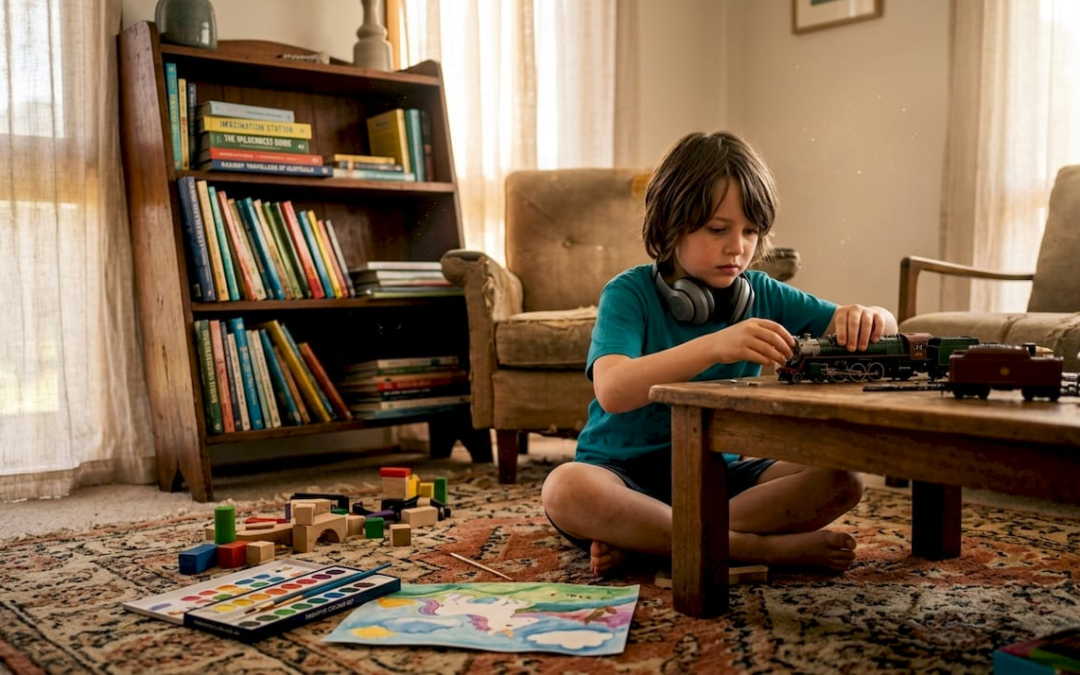
Every parent of a neurodivergent child knows the feeling: you can see something remarkable in your child, a spark, a passion, a way of thinking that lights them up from the inside. But knowing where to begin when it comes to truly nurturing that spark, while also making sure your child gets the support they need, can feel overwhelming. The good news is that a strengths-based approach offers a clear starting point. Rather than focusing only on what needs fixing, it asks parents to begin with discovery, then shape the environment, build strong partnerships, and celebrate every step forward.
Table of Contents
- Understanding your child’s strengths and interests
- Setting up supportive environments for growth
- Partnering with educators and mentors
- Troubleshooting challenges and celebrating wins
- Why strengths-first parenting changes everything
- Encouraging strengths beyond the guide
- Frequently asked questions
Key Takeaways
| Point | Details |
|---|---|
| Start with discovery | Identifying your child’s real interests and strengths is the first key to nurturing their talent. |
| Tailor the environment | Small changes at home and school can supercharge your child’s confidence and skill development. |
| Team up with educators | Working with teachers and mentors ensures your child’s talents are championed in all settings. |
| Balance strengths and needs | Support their challenges but don’t let them overshadow your child’s unique abilities. |
| Mindset matters | A strengths-first parenting approach not only nurtures talent but transforms family wellbeing. |
Understanding your child’s strengths and interests
Let’s begin with how to spot and truly value your child’s unique strengths.
Many parents are surprised to discover that their neurodivergent child’s strengths are not always obvious at first glance. A child with ADHD might show extraordinary creativity and the ability to hyperfocus on topics they love. A child on the autism spectrum might demonstrate an astonishing memory, a deep passion for a specific subject, or an almost artistic eye for detail. These qualities are real strengths, even when they sit alongside genuine challenges.
Neurodivergent children often have what researchers call “spiky profiles,” meaning their abilities are uneven across different areas. One area might be far above average while another requires significant support. Research-based strength-oriented supports for twice-exceptional learners, those who are both gifted and autistic, commonly combine advanced and rigorous content with interest-based enrichment and individualised strategies. This is a powerful reminder that strength and challenge can coexist in the same child.
Here are some examples of how strengths show up in neurodivergent children:
| Visible strengths | Hidden strengths |
|---|---|
| Advanced vocabulary or reading | Deep empathy and emotional sensitivity |
| Strong memory for facts or details | Highly original thinking and creativity |
| Exceptional focus on special interests | Persistence and determination |
| Artistic or musical ability | Ability to notice patterns others miss |
| Logical or mathematical reasoning | Strong sense of justice and fairness |
To start uncovering your child’s strengths, try these steps:
- Observe without agenda. Spend time watching your child play and explore without directing the activity. Notice what holds their attention longest.
- Record what you see. Keep a simple notebook or phone note where you jot down moments of joy, focus, or mastery, no matter how small.
- Ask open questions. Try “What was the best part of your day?” or “What do you wish you could do more of?” and really listen to the answers.
- Talk to people who know your child well. Teachers, grandparents, and therapists often notice strengths that parents, who are close to the day-to-day challenges, might overlook.
- Try new experiences. Sometimes strengths are waiting to be discovered. Offer a wide range of activities, art, music, building, storytelling, coding, gardening, and see what sparks something.
Pro Tip: Focus on what energises your child, not just the skills they excel at. A child who lights up when talking about dinosaurs, trains, or space is showing you a doorway into their world. That passion is the foundation everything else can be built upon.
Setting up supportive environments for growth
Once strengths are identified, the next step is creating an environment where those strengths can be truly nurtured.
The environment your child learns and plays in has a profound effect on their confidence, energy, and willingness to try new things. A space that feels overwhelming or unpredictable can drain a neurodivergent child’s resources before they even get started. But an environment that is calm, predictable, and rich with opportunities tied to their interests can do the opposite. It can open doors.

Pairing advanced learning opportunities with structured supports and caring relationships is one of the most effective ways to nurture talent in neurodivergent children. This means it is not enough to simply give a child access to enrichment materials. The environment around those materials matters just as much.
Consider the difference between these two approaches:
| Rigid environment | Strengths-friendly environment |
|---|---|
| Fixed schedule with no flexibility | Flexible routine with predictable anchors |
| One-size-fits-all learning tasks | Activities tailored to interests and strengths |
| Focus on correcting mistakes | Emphasis on effort and progress |
| Sensory overload (noise, clutter, bright lights) | Calm, organised space with sensory options |
| Limited choice in how to learn | Multiple ways to demonstrate knowledge |
| Rewards tied only to compliance | Celebration of curiosity and creativity |
Small changes at home can make a meaningful difference. Here are some quick environmental tweaks worth trying:
- Create a quiet corner with comfortable seating, soft lighting, and access to the child’s favourite materials.
- Build flexible schedules that include dedicated time for special interests alongside other responsibilities.
- Offer sensory resources such as fidget tools, noise-cancelling headphones, or weighted blankets if your child finds them helpful.
- Display your child’s work and achievements prominently at home to reinforce their sense of pride and identity.
- Introduce enrichment at home through books, documentaries, kits, or community groups related to your child’s passions.
- Allow choice wherever possible, such as letting your child choose how they want to share what they have learned.
Pro Tip: Use your child’s interests as entry points for new experiences. If your child loves trains, explore geography through train routes, maths through timetables, or history through the story of rail travel. Interests are not distractions from learning. They are the most reliable bridge into it.
Partnering with educators and mentors
But a supportive environment does not stop at home. Teamwork with educators is essential.
When parents and teachers work together with a shared understanding of a child’s strengths, remarkable things can happen. A child who feels seen and supported by a trusted adult at school is far more likely to take risks, ask for help, and persist through difficulty. Positive teacher and counsellor relationships create genuine safe spaces where neurodivergent children can grow.
Caring teacher and counsellor relationships are particularly important for twice-exceptional learners, where the combination of high ability and support needs can be misunderstood or overlooked entirely. A teacher who only sees the challenges may underestimate the child. A teacher who only sees the gifts may not provide enough support. The goal is a partnership that holds both truths at once.
Here is how to start a strengths-based conversation with your child’s school:
- Request a meeting with your child’s teacher or learning support coordinator early in the school year, before challenges arise if possible.
- Share your observations about what your child loves, what energises them, and where you have seen them shine at home.
- Bring examples such as photos, videos, or samples of work that show your child’s strengths in action.
- Ask about enrichment options such as extension activities, interest-based projects, or mentoring programmes that might suit your child.
- Discuss support needs honestly so the school understands the full picture, not just the strengths or just the challenges.
- Follow up regularly and keep communication open so adjustments can be made as your child grows and changes.
“A strengths-based approach does not mean ignoring a child’s challenges. It means ensuring that those challenges are addressed within a framework that also honours and builds on what the child does well. Both matter. Neither should be sacrificed for the other.”
This balance is important. Advocating loudly for your child’s gifts while also being honest about their support needs is not contradictory. It is the most complete form of advocacy there is.
Troubleshooting challenges and celebrating wins
Even with the best intentions, challenges and doubts will arise. Here is how to navigate them.
One of the most common mistakes parents make is swinging between two extremes. Either they focus so heavily on their child’s strengths that genuine support needs go unaddressed, or they become so consumed by managing challenges that the child’s gifts are never truly nurtured. Strength-based approaches should not ignore genuine support needs, especially for twice-exceptional learners with uneven profiles. The goal is always both, not one or the other.
Another common pitfall is expecting linear progress. Neurodivergent children often grow in bursts and plateaus. A child might make extraordinary gains in one area and seem to stall in another. This is normal. Celebrating the gains, no matter how small, keeps motivation alive and helps children build a positive identity around their own growth.
Using special interests as entry points can increase engagement and reduce problem behaviours, but it still requires tailored supports for areas of genuine difficulty. Interest-based learning is powerful, but it is not a replacement for the specific strategies your child may need.
Here are some ways to celebrate progress and stay motivated:
- Acknowledge effort, not just results. Praise the trying, the persistence, and the courage to attempt something new.
- Mark milestones in a visible way. A simple chart, a sticker, or a special outing can make progress feel real and meaningful.
- Share wins with the wider family. Letting grandparents or siblings know about a breakthrough reinforces the child’s sense of being valued.
- Let your child lead the celebration. Ask them how they want to mark an achievement. Their answer will tell you a lot.
- Revisit the journey. Looking back at where your child started and how far they have come can be deeply motivating for both child and parent.
A research-informed insight worth knowing: when children’s interests are incorporated into learning activities, engagement increases significantly. This is not just anecdotal. It reflects what researchers consistently find when studying how neurodivergent learners respond to instruction that connects to what they care about.
Pro Tip: Start a “growth journal” with your child. Each week, write or draw one thing they tried, one thing they got better at, and one thing they are proud of. Over time, this becomes a powerful record of who they are becoming, and a wonderful reminder on hard days that progress is real.
Why strengths-first parenting changes everything
There is a quiet but profound shift that happens when a family moves from a problem-focused lens to a strengths-first one. It is not just a change in strategy. It is a change in how a child sees themselves.
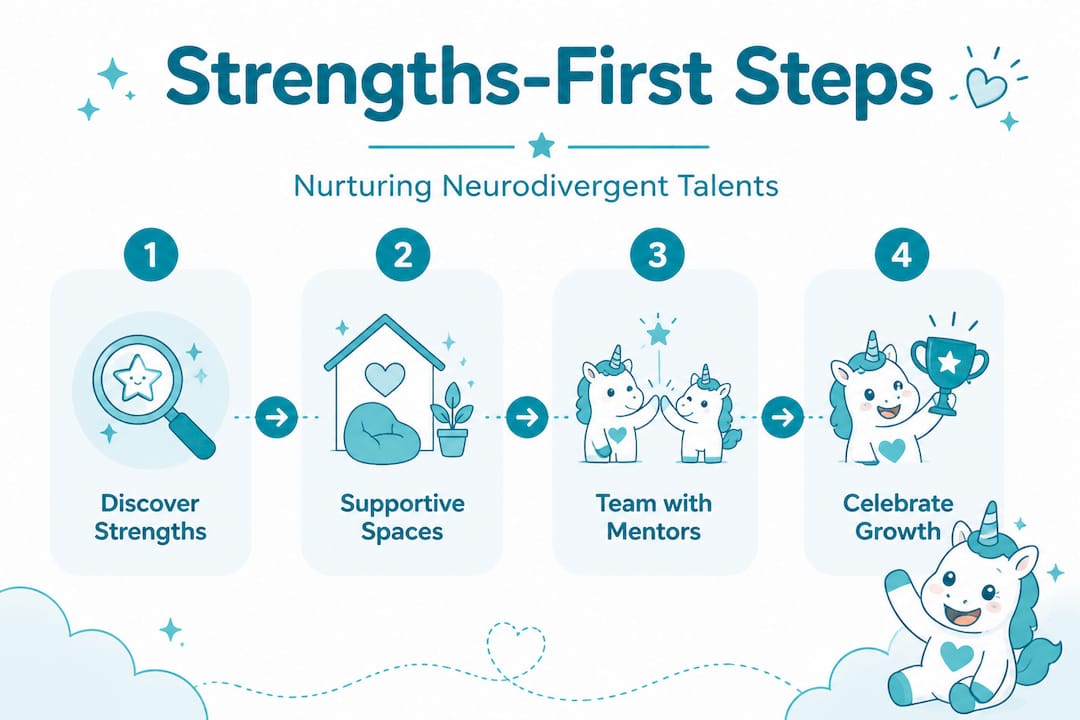
For many years, the dominant approach to supporting neurodivergent children centred on identifying deficits and working to remediate them. While addressing genuine challenges is absolutely necessary, a diet of constant remediation sends a subtle but damaging message: that the child is fundamentally broken and needs to be fixed. Over time, this erodes confidence, motivation, and the child’s willingness to try.
Starting with strength discovery and then translating that into environment changes, rather than only skill training, reframes the entire experience. The child is no longer someone who needs fixing. They are someone with real gifts that deserve to be seen, celebrated, and built upon.
What feels counterintuitive to many parents is that nurturing strengths does not mean ignoring challenges. In fact, the opposite is true. When a child feels genuinely valued for who they are, they become more willing to work on the hard things. Confidence built on real strengths creates the emotional resilience needed to face genuine difficulties.
This mindset shift also transforms family relationships. When parents learn to look for and name what their child does well, conversations change. Dinner table talk shifts from “what went wrong today” to “what were you proud of today.” That shift, small as it sounds, compounds over time into something powerful.
The character of Coen the Unicorn embodies exactly this truth. Coen is different. And that difference is not a flaw to be managed. It is a superpower to be discovered. Every neurodivergent child deserves to see themselves reflected in a story that says the same thing.
Encouraging strengths beyond the guide
Ready to take action? Here is where to find ongoing resources to support your child.
Raising a neurodivergent child is a journey, and no single guide can cover everything. But the right stories, tools, and creative materials can keep the strengths-first spirit alive at home every day.
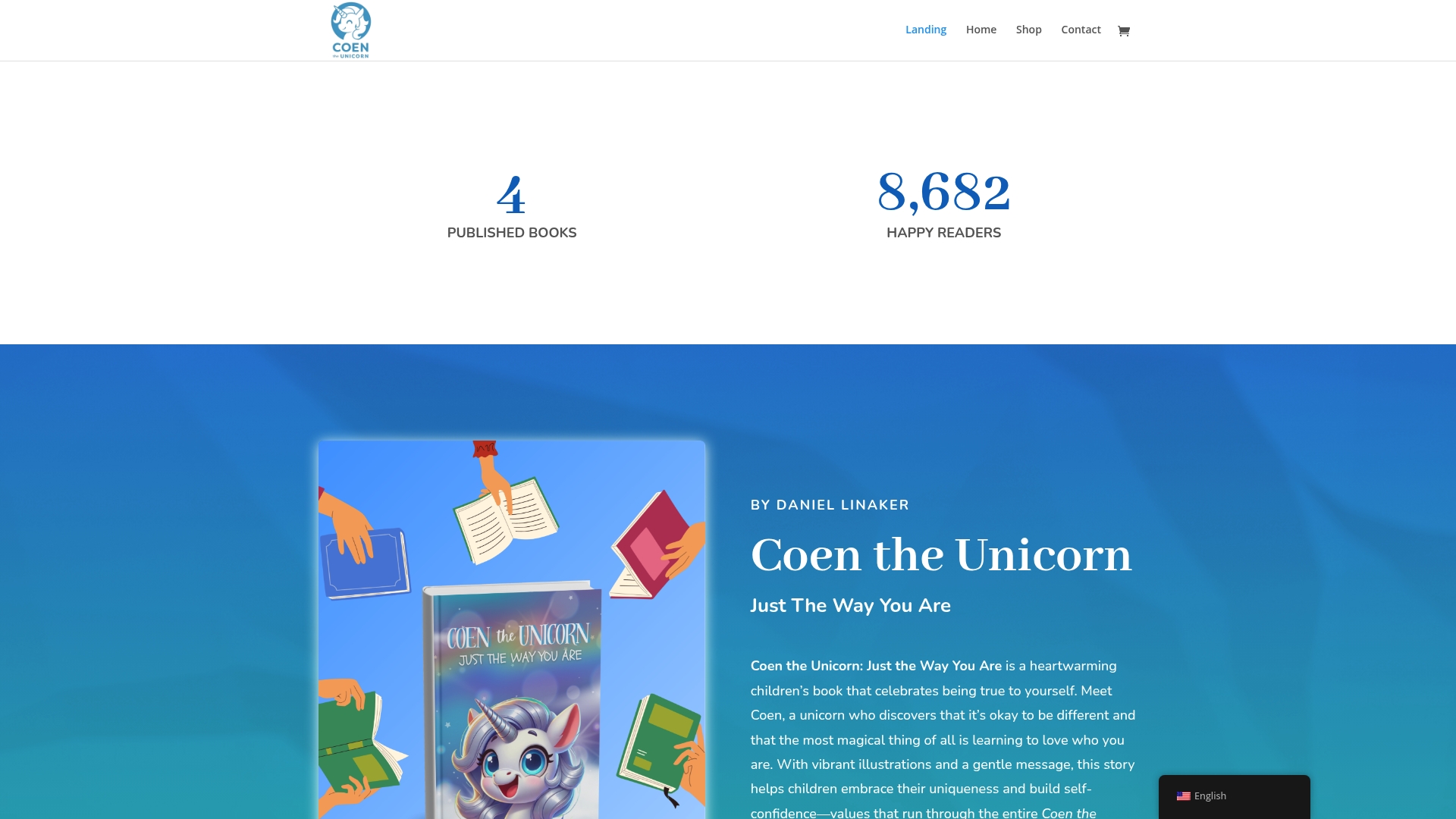
At Coen the Unicorn, the mission is simple: to help neurodivergent children see themselves as the remarkable, one-of-a-kind individuals they truly are. Inspired by a real boy, Coen’s story shows children that being different is not something to be ashamed of. It is a superpower. The books, colouring activities, and creative resources available through the website are designed to spark conversations, nurture imagination, and remind both children and their families that uniqueness is always worth celebrating. Explore the collection and find the tools that will keep your child’s strengths growing.
Frequently asked questions
How do I know what my child’s unique talent is if they don’t have a clear special interest?
Observe what naturally captures their attention or sparks joy, and remember that talents can be subtle or non-academic. A child who loves helping others, who notices beauty in small things, or who asks unusually deep questions is already showing you something meaningful.
Is it possible to nurture strengths if my child has big support needs or behavioural challenges?
Yes, absolutely. Strength-based approaches work best when support needs are addressed alongside encouraging talents, not one instead of the other. Both are necessary and both deserve attention.
How do I involve my child’s school in nurturing their talents?
Start by sharing your observations with teachers and suggesting enrichment or support based on your child’s interests. Pairing advanced opportunities with structured supports and positive relationships is the approach most likely to succeed.
Can using special interests help with motivation and behaviour?
Yes, focusing on interests as entry points can boost engagement and reduce behavioural challenges, but it should still include tailored supports for areas of genuine difficulty. Interests open the door. Supports help the child walk through it.
 English