
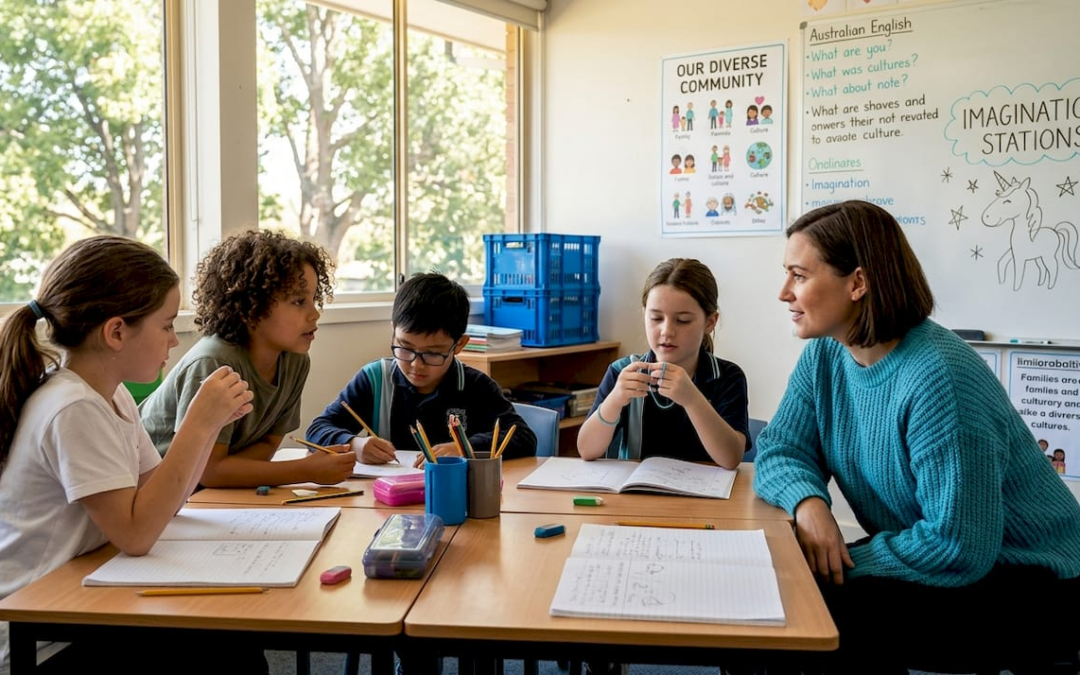
Every parent knows the quiet ache of watching their child feel out of place. Every teacher has felt the weight of a classroom where one child’s differences are managed rather than celebrated. Neurodivergent children, those with ADHD, autism, dyslexia, and other learning profiles, are often accommodated on paper but overlooked in practice. The gap between tolerance and genuine celebration is wide, and it matters enormously to a child’s confidence, identity, and long-term wellbeing. This article offers evidence-backed, practical strategies that parents and teachers can use right now to build environments where every difference is seen, respected, and truly valued.
Table of Contents
- Define and normalise differences in the classroom
- Use whole-class neurodiversity education to foster understanding
- Implement inclusive classroom practices for real opportunities
- Empower home-school partnerships with student snapshots
- Train staff in Universal Design for Learning and growth mindsets
- Why celebrating differences transforms the whole school, not just the child
- Celebrate difference with Coen the Unicorn resources
- Frequently asked questions
Key Takeaways
| Point | Details |
|---|---|
| Celebrate, don’t just accommodate | Affirming differences helps all students develop confidence and a sense of belonging. |
| Whole-class learning beats isolation | Neurodiversity education works best when everyone is included and stigma is proactively addressed. |
| Families share students’ strengths | Exchanging snapshots and celebrating small wins connects home and school for consistent support. |
| Staff training sustains change | Universal Design for Learning and growth mindset training empower teachers to celebrate every child’s potential. |
Define and normalise differences in the classroom
Now that we’ve set the intention to celebrate all learners, let’s explore how language and attitude can shape the classroom experience from day one.
The first step toward celebrating student differences is changing how we talk about them. When a child hears their brain described as a problem to be fixed, they internalise that message. When they hear it described as simply different, the emotional impact shifts entirely. Language is powerful, and the words teachers and parents choose every day either build or chip away at a child’s sense of self.
Classrooms that normalise neurodiversity treat it as part of the rich spectrum of human experience, not as a deficit requiring correction. This means introducing concepts like different learning styles, sensory needs, and thinking patterns as ordinary topics, not whispered conversations. It also means building supports into the classroom environment so that no single child feels singled out.
“Normalise neurodiversity as a difference rather than a deficit and use proactive, classroom-embedded supports (routines, environment, choice) to reduce stigma and prevent overwhelm.” How to support students with ADHD
Practical ways to normalise differences include:
- Offering brain breaks for the whole class, not just for students who seem to need them
- Creating flexible seating options such as cushions, standing desks, or quiet corners that any student can choose
- Using visual timetables and routine anchors as standard classroom features rather than special accommodations
- Framing classroom rules around kindness and respect for different ways of thinking and learning
- Celebrating a wide range of strengths, including creativity, empathy, and problem-solving, not just academic performance
Pro Tip: When you introduce flexible supports as whole-class options, neurodivergent students can access them without feeling labelled. A wobble cushion or a quiet corner stops being a “special needs” tool and becomes simply part of how your classroom works.
The language shift matters just as much at home. Parents who describe their child’s differences with curiosity and pride, rather than apology or frustration, help their child build a resilient identity. Saying “your brain works in a really interesting way” instead of “you find things harder than other kids” plants a very different seed.
Use whole-class neurodiversity education to foster understanding
Once differences are normalised, explicit education helps move understanding from abstract to concrete. That’s where structured neurodiversity education comes in.
Teaching all students about neurodiversity, not just those who are neurodivergent, creates classrooms where empathy is built into the culture. When children understand why a classmate might need to move around, wear headphones, or take extra time, they respond with curiosity rather than confusion or unkindness. This kind of whole-class education is one of the most powerful tools available to teachers.
Research strongly supports this approach. Whole-class neurodiversity education can improve pupils’ neurodiversity knowledge and increase positive attitudes and intended actions toward classmates, reducing stigma through knowledge and attitude change. In other words, when students learn the facts, they act with more kindness.
What does a whole-class neurodiversity lesson actually look like? It doesn’t need to be a formal lecture. Some of the most effective approaches include:
- Story-based discussions using books that feature neurodivergent characters in positive, relatable roles
- “How does your brain work?” activities where students explore their own learning preferences without labelling anyone
- Guest speakers or short videos featuring neurodivergent adults sharing their experiences and achievements
- Small-group conversations about what it feels like to be misunderstood, and how to be a good ally
- Follow-up actions such as creating classroom agreements about respecting different ways of communicating
Pro Tip: After any neurodiversity lesson, follow up with a concrete action. Ask students to write one thing they will do differently this week to support a classmate. This bridges knowledge and behaviour, which is where real culture change happens.
The key is consistency. A single lesson won’t shift attitudes permanently. Weaving neurodiversity themes into regular classroom life, through books, discussions, art, and celebration of different achievements, builds a lasting culture of acceptance and genuine celebration.
Implement inclusive classroom practices for real opportunities
Understanding is a strong foundation, but true celebration happens in classrooms designed for every child to take part, every day.
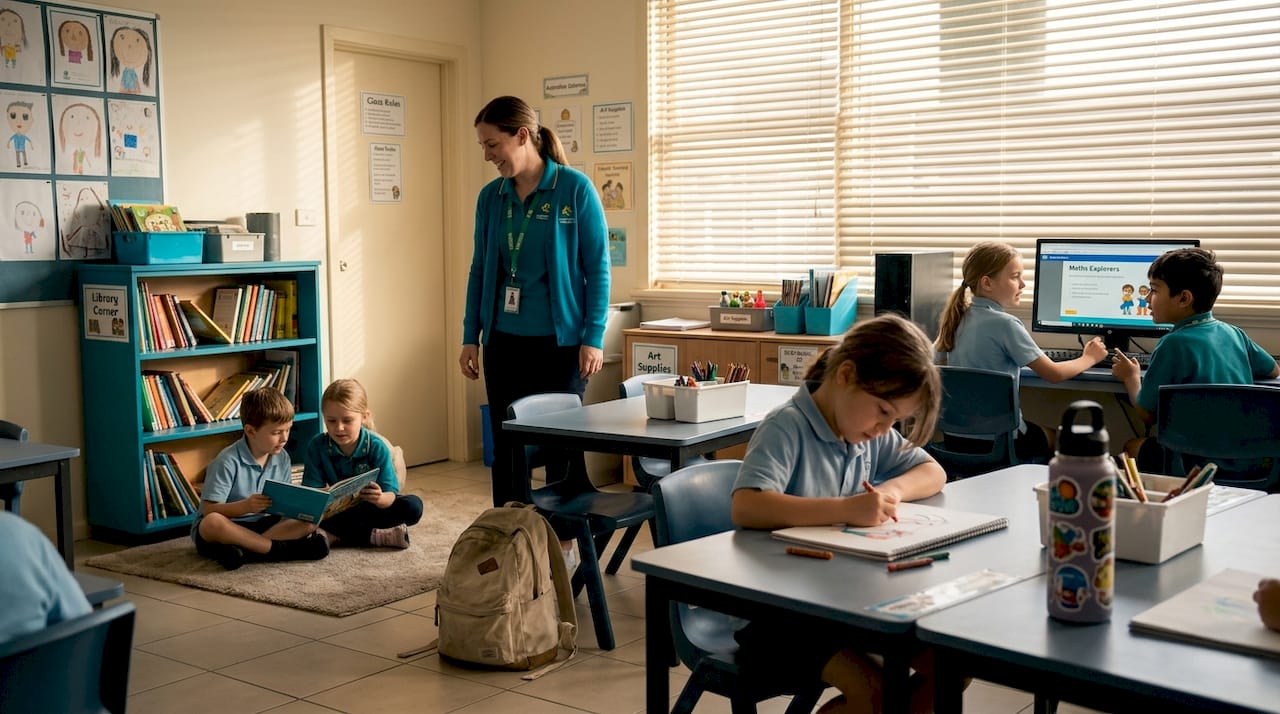
Real inclusion goes far beyond having a neurodivergent child physically present in a mainstream classroom. It means designing learning experiences so that every student can genuinely participate, contribute, and succeed. Inclusive education means all children in the same classrooms and schools, with real learning opportunities, not separate or isolated placements.
The difference between integrated and truly inclusive settings is significant:
| Feature | Integrated setting | Inclusive setting |
|---|---|---|
| Student placement | Mainstream class with some pull-out support | Full participation in mainstream class |
| Support delivery | Separate aide or withdrawal group | Co-teacher or in-class differentiated support |
| Curriculum access | Modified separately | Universally designed for all learners |
| Social connection | Limited by time outside class | Built through shared activities |
| Celebration of difference | Often incidental | Intentional and embedded |
Concrete inclusive practices that teachers can implement immediately include:
- Co-teaching models where two teachers share a classroom, allowing one to circulate and support diverse learners during whole-class instruction
- Flexible grouping that rotates students through different peer combinations, preventing neurodivergent children from always being grouped with support staff
- Peer support partnerships where students are paired intentionally to build mutual understanding and shared learning
- Choice boards that allow students to demonstrate knowledge in different ways, through drawing, speaking, writing, or building
- Universal Design for Learning (UDL) lesson planning that anticipates diverse needs from the outset rather than retrofitting accommodations
Pro Tip: Avoid tokenistic inclusion, where a neurodivergent child is present but not genuinely participating. Ask yourself regularly: “Is this child contributing to the group, or just sitting nearby?” Genuine inclusion means every voice has a place.
Celebrating differences in practice also means celebrating different kinds of success. A child who manages a frustrating moment with grace, who helps a classmate, or who completes a task in their own creative way deserves recognition just as much as the child who scores top marks.
Empower home-school partnerships with student snapshots
Celebrating differences outside the classroom is equally important, especially by creating a feedback loop between teachers and families.
One of the most effective tools for bridging home and school is the student snapshot. This is a short, focused document that parents prepare and share with teachers, capturing the most important information about their child. It is not a list of difficulties. It is a strengths-first portrait of the child.
Parents can share a student snapshot with teachers and explicitly celebrate small progress, supporting the home-school partnership and ensuring that both sides are working toward the same goals.
A well-crafted student snapshot typically includes:
- Strengths and passions (what lights the child up, what they excel at)
- Learning preferences (how they absorb information best)
- Known triggers (sensory, social, or academic situations that cause distress)
- Effective strategies (what has worked at home or in previous settings)
- Communication preferences (how the child expresses themselves when comfortable and when overwhelmed)
Here is a sample snapshot structure that parents and teachers can adapt:
| Snapshot category | Example content |
|---|---|
| Strengths | Loves storytelling, strong visual memory, kind and empathetic |
| Learning style | Learns best through hands-on activities and visual supports |
| Triggers | Loud unexpected noises, transitions without warning, open-ended tasks |
| Strategies | Five-minute warnings before transitions, fidget tool, visual task lists |
| Communication | Verbal when calm, needs drawing or writing when overwhelmed |
Updating the snapshot regularly, at the start of each term or after significant changes, keeps the partnership current and meaningful. Celebrating small wins together, a successful morning routine, a new friendship, a task completed independently, reinforces that progress is happening even when it feels slow.
Pro Tip: Begin every parent-teacher meeting by sharing one specific thing the child did well since the last conversation. This sets a strengths-focused tone and reminds both sides that the child is growing, even on the hard days.
Train staff in Universal Design for Learning and growth mindsets
Finally, creating cultures that celebrate every student can’t rest on individual goodwill. It demands upskilling and intentional strategy from staff teams.
Universal Design for Learning is a teaching framework that plans for diverse learners from the very beginning of lesson design. Rather than creating one lesson and then adapting it for students who struggle, UDL asks teachers to build in multiple ways to engage, represent content, and allow students to express their learning. It is proactive, not reactive.
“Train teachers in neuroscience-informed Universal Design for Learning (UDL) to build a more growth-oriented mindset and improve lesson accessibility and co-teaching practices.” Frontiers in Education UDL study
When staff are trained in UDL alongside neuroscience-informed approaches to learning, the benefits extend across the whole school community. Teachers who understand how different brains process information are less likely to interpret neurodivergent behaviour as defiance or laziness. They are more likely to ask “what does this child need?” rather than “why won’t this child comply?”
Key outcomes from quality staff training include:
- A growth mindset shift, where teachers believe all students can progress with the right support
- Improved lesson design that offers multiple entry points for different learners
- Stronger co-teaching relationships, where educators share responsibility for all students in the room
- Greater confidence in supporting neurodivergent students without specialist referral for every challenge
- Whole-school consistency, so that a child’s experience doesn’t depend entirely on which teacher they happen to have
Staff training is most effective when it is ongoing rather than a single professional development day. Schools that embed neurodiversity awareness into regular team meetings, peer observation, and curriculum planning create lasting cultural change rather than a temporary enthusiasm spike.
Why celebrating differences transforms the whole school, not just the child
We’ve covered concrete strategies. Now, let’s step back and consider the true potential of celebrating student differences.
There is a common misstep in schools that want to do the right thing. They introduce accommodations, hold an awareness week, display a poster about different kinds of learners, and then consider the job done. This is well-intentioned but ultimately symbolic. Real transformation happens when celebrating differences becomes woven into the daily fabric of school life, not reserved for special occasions.
Here is the insight that often gets missed: when neurodivergent students are genuinely celebrated, all students benefit. Visible, normalised supports encourage every child to self-advocate. A classroom where it is safe to say “I learn differently” is also a classroom where it is safe to ask for help, to make mistakes, and to try again. That psychological safety lifts outcomes for everyone.
Tokenistic inclusion, where one child is visibly accommodated while the underlying culture remains unchanged, can actually increase stigma. Children notice when a classmate is treated differently without explanation or celebration. But when difference is framed as a strength, when the child who thinks in pictures is celebrated alongside the child who writes beautifully, the whole community grows in empathy and resilience.
The most successful schools we see are those where staff genuinely believe that diversity makes the classroom richer. That belief has to be modelled from leadership, reinforced in professional development, and reflected in everyday interactions. It cannot be outsourced to a single passionate teacher or a well-meaning parent.
Celebrating differences is not a programme. It is a culture. And like all cultures, it is built one conversation, one lesson, one small moment of recognition at a time.
Celebrate difference with Coen the Unicorn resources
Ready to take celebration further? Discover creative, strengths-based ways to bring these ideas to life.
Coen the Unicorn was inspired by a real boy whose differences are his greatest strengths. The stories and resources created around Coen are designed to help neurodivergent children see themselves in a character who is brave, kind, and wonderfully unique. For parents and teachers looking for story-driven tools to spark meaningful conversations, exploring children’s books on inclusion is a wonderful place to start.
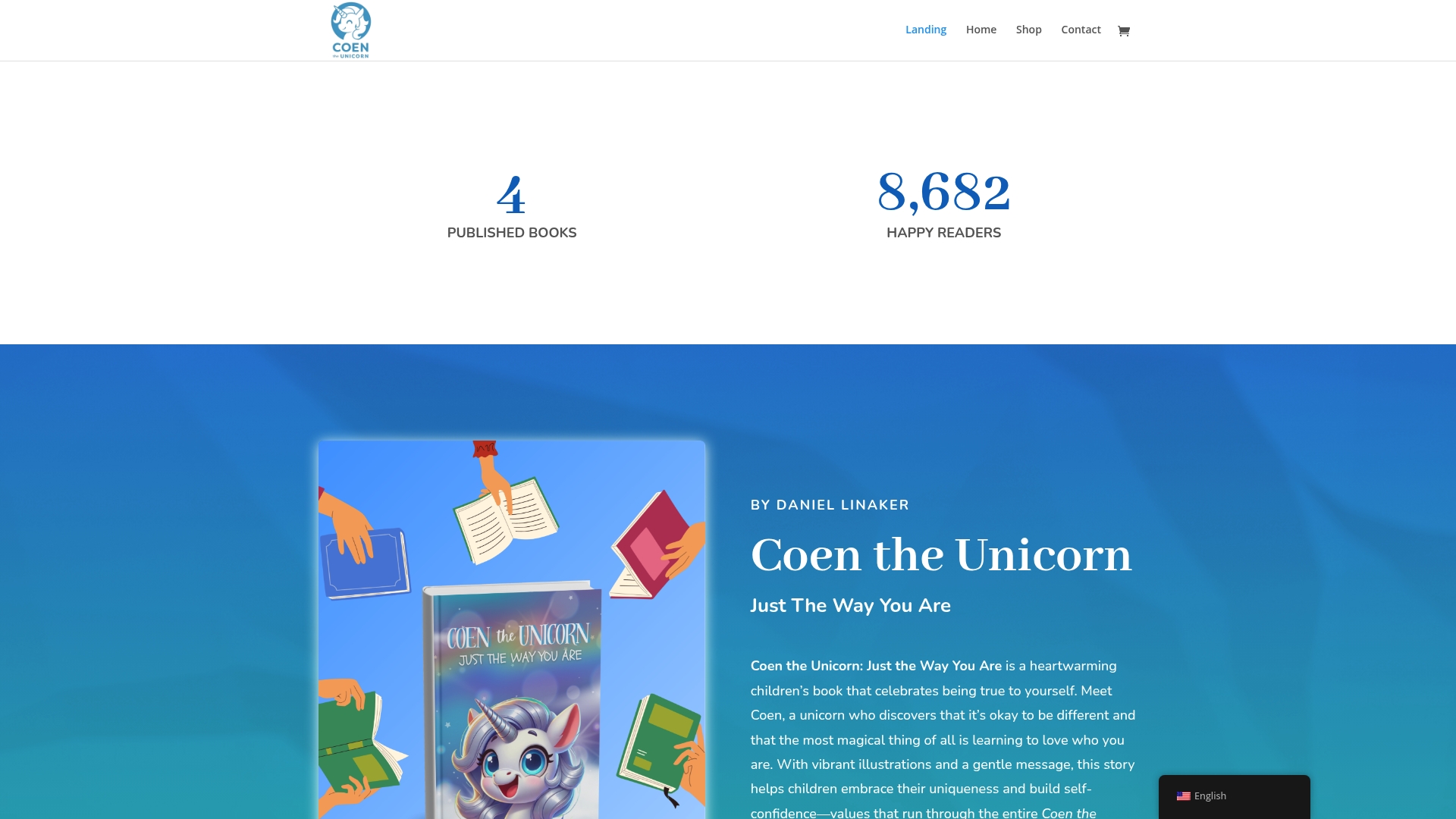
The Coen the Unicorn colouring book offers a gentle, creative way for children to engage with themes of difference, belonging, and self-worth. It works beautifully as a classroom activity or a quiet home ritual. Teachers can use it as a discussion starter, while parents can enjoy it as a shared moment with their child. Visit the Coen the Unicorn shop to explore the full range of resources and find the right tool for your family or classroom.
Frequently asked questions
Why is it important to celebrate student differences rather than just include them?
Celebration affirms each child’s value and strengths, building genuine self-esteem and belonging. Real inclusion goes beyond presence in a classroom to ensuring every child has meaningful opportunities to participate and thrive.
How can parents encourage teachers to celebrate their child’s differences?
Parents can prepare and share a student snapshot that highlights strengths, triggers, and effective strategies. Celebrating small progress together during teacher conversations reinforces a strengths-focused partnership.
What does real classroom inclusion look like?
Real inclusion means all students learn together in the same classroom, with tailored support built into everyday activities rather than delivered in separate settings. Inclusive education prioritises joint participation and genuine learning opportunities for every child.
What is Universal Design for Learning (UDL)?
UDL is a teaching framework that designs lessons to be accessible for all learners from the outset, using flexible methods, materials, and assessment options. Neuroscience-informed UDL training helps teachers build growth mindsets and improve co-teaching practices across the whole school.
How does normalising neurodiversity reduce stigma?
When neurodiversity is framed as a natural part of human diversity rather than a deficit, children feel safe to embrace their identity without shame. Proactive classroom supports embedded into everyday routines reduce stigma by making different needs visible and ordinary for everyone.
 English