
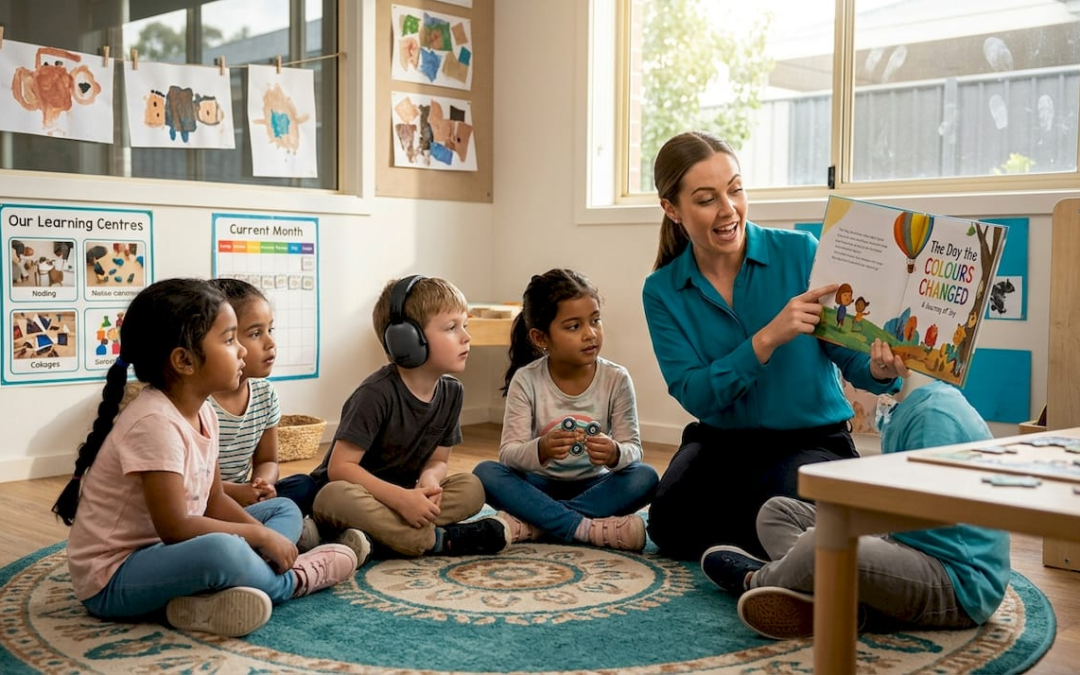
Inclusion is often thought of as a policy, a ramp at the school entrance, or a seat at the table. But for neurodivergent children, the most powerful form of inclusion is far more personal. It happens in the quiet moment when a child opens a book and sees a character who thinks, feels, and experiences the world the way they do. Storytelling offers something that rules and structures simply cannot: a mirror for the child’s inner world and a window into the lives of others. This article explores why stories matter, what the research tells us, and how parents and educators can use storytelling to help neurodivergent children feel they truly belong.
Table of Contents
- What inclusion really means for neurodivergent children
- How storytelling promotes empathy and belonging
- Evidence-based storytelling techniques that drive inclusion
- What most people miss: nuance and common pitfalls
- The real-world power of everyday stories
- Inclusive stories for every family
- Frequently asked questions
Key Takeaways
| Point | Details |
|---|---|
| Stories drive empathy | Storytelling helps all children understand and accept differences by encouraging empathy and discussion. |
| Targeted techniques succeed | Evidence-based approaches like social stories and dialogic reading show the strongest gains when used for specific needs. |
| Repetition sustains progress | Repeating and updating stories ensures lessons are learned and inclusion skills are maintained. |
| Real-life stories matter | Personal, everyday stories are just as important as structured storybooks for weaving inclusion into daily life. |
What inclusion really means for neurodivergent children
True inclusion is not simply about placing a child in the same room as their peers. It is about creating an environment where that child’s identity, needs, and strengths are genuinely valued and understood. For neurodivergent children, including those with autism, ADHD, dyslexia, or sensory processing differences, the gap between being physically present and feeling emotionally included can be enormous.
Many neurodivergent children face barriers that are invisible to others. Social expectations that feel confusing, communication styles that differ from the majority, and a pervasive sense of being misunderstood can all erode a child’s confidence and sense of belonging. These are not small matters. Research consistently links social exclusion in childhood to long-term impacts on mental health, self-esteem, and academic engagement.
Common barriers neurodivergent children face include:
- Unwritten social rules that are hard to decode without explicit guidance
- Sensory environments that feel overwhelming and distracting
- Communication differences that lead to misinterpretation by peers and adults
- A lack of representation in classroom materials and stories
- Peer misunderstanding that can escalate into bullying or isolation
“Feeling seen is not a luxury for neurodivergent children. It is a foundation for learning, connection, and growth.”
This is precisely where storytelling enters as a uniquely powerful tool. Well-crafted stories can bridge the gap between a child’s inner experience and the world around them. The evidence supports this strongly. Social stories improve social interaction outcomes in five of six controlled trials for children with ASD, demonstrating that narrative-based approaches are far more than feel-good extras. They are evidence-based strategies with measurable results.
How storytelling promotes empathy and belonging
With inclusion defined, let’s explore how storytelling works its unique magic in fostering empathy and a genuine sense of belonging. Stories operate on a psychological level that rules and instructions simply cannot reach. When a child hears or reads a story, they step into another perspective. They feel what the character feels. They begin to understand experiences beyond their own.
For neurodivergent children, this works in two important directions. First, stories that reflect their own experiences validate their feelings and show them they are not alone. Second, stories that depict diverse characters and perspectives help neurotypical peers develop genuine empathy, not just tolerance. This two-way dynamic is what makes storytelling such a rich tool for building inclusive communities in classrooms and homes alike.
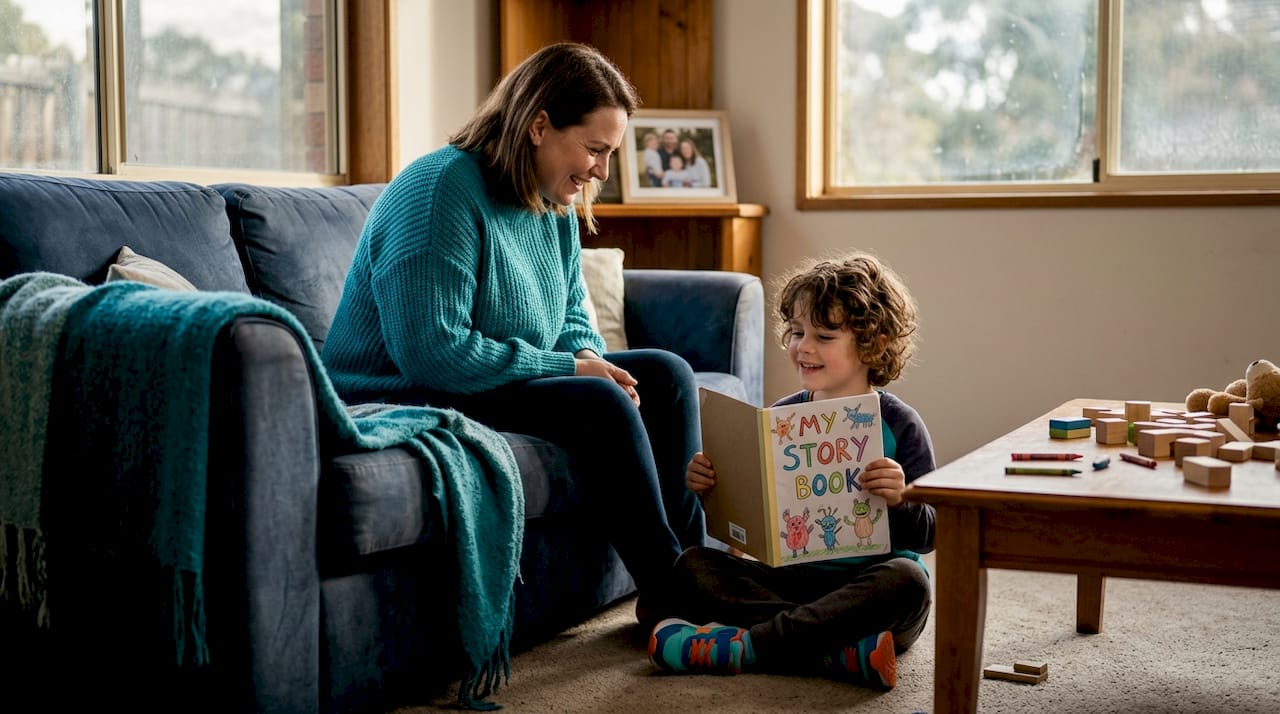
Shared storytelling experiences also create natural opportunities for discussion and connection. When a class reads a story together about a character who sees the world differently, it opens conversations that might otherwise never happen. Children begin to ask questions, share their own experiences, and develop a more nuanced understanding of one another.
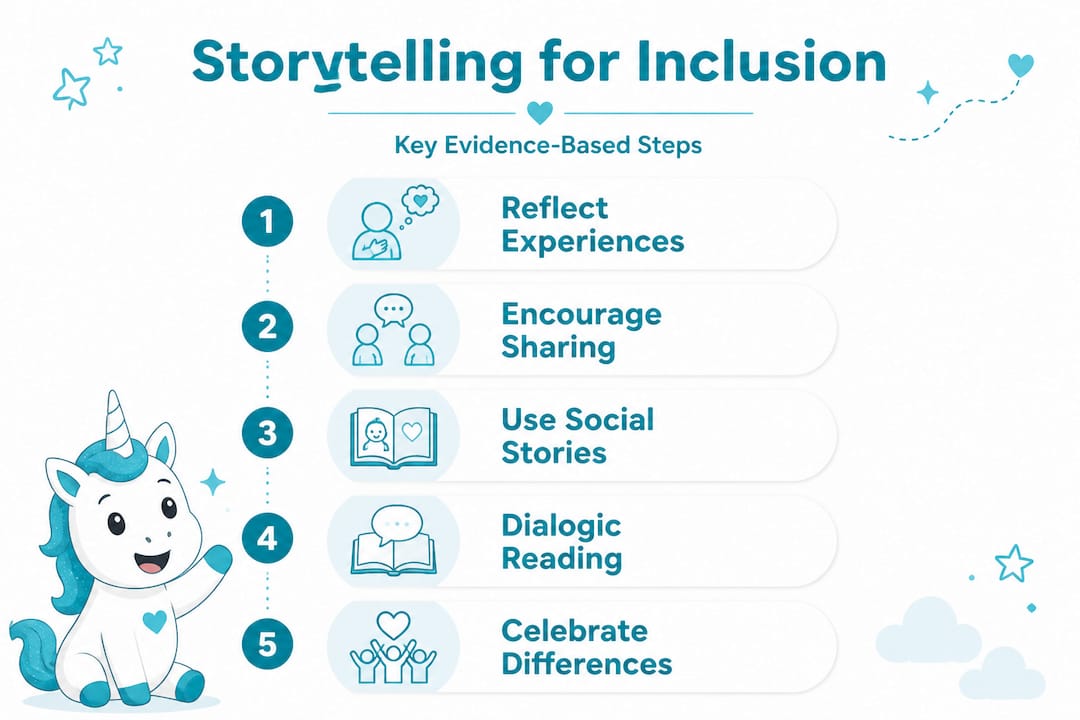
Here is how storytelling builds empathy and belonging step by step:
- A child encounters a character who faces a familiar challenge, such as feeling overwhelmed in a loud environment.
- The child recognises their own experience in the story, which reduces feelings of shame or isolation.
- Discussion with peers or caregivers deepens understanding on both sides.
- Repeated exposure to diverse characters builds a broader, more empathetic worldview over time.
- The child begins to see their own differences as part of a rich, varied human experience rather than a deficit.
Bibliotherapy, which is the practice of using books and stories as a therapeutic tool, has shown significant promise in this area. Bibliotherapy significantly improves life satisfaction in mental health rehabilitation settings, pointing to the deeper emotional benefits of purposeful reading. When stories are chosen with care and used with intention, they do far more than entertain.
“Stories do not just tell children about the world. They help children understand their place in it.”
Pro Tip: When reading with a neurodivergent child, pause at key emotional moments and ask open-ended questions like “How do you think this character is feeling?” or “Has anything like this ever happened to you?” This simple practice deepens emotional processing and strengthens the connection between the story and the child’s real experience.
Evidence-based storytelling techniques that drive inclusion
Having laid out why stories matter, here is what works best: evidence-based approaches that parents and educators can use in real-world settings to promote inclusion for neurodivergent children.
| Storytelling method | How it works | Best for | Key strength |
|---|---|---|---|
| Social stories | Short, personalised narratives that explain social situations | Children with ASD navigating specific scenarios | Reduces anxiety, builds predictability |
| Dialogic reading | Interactive reading with questions and prompts | Young children, early language development | Boosts verbal engagement and communication |
| Bibliotherapy | Using books therapeutically to address emotional challenges | Children dealing with anxiety, exclusion, or transitions | Supports emotional well-being and school adjustment |
Each of these methods has a distinct strength, and knowing when to use each one makes a real difference.
Social stories are particularly effective when a child is facing a specific, recurring challenge. Starting a new school year, navigating lunchtime, or managing a change in routine are all scenarios where a targeted social story can reduce anxiety and build confidence. The story is written in first-person and uses clear, simple language to walk the child through the situation step by step.
Dialogic reading takes a more interactive approach. Rather than simply reading aloud, the adult engages the child with questions, prompts, and invitations to predict what happens next. Dialogic reading significantly improves verbal responses and engagement in young autistic children, making it an especially valuable tool for building communication skills alongside inclusion.
Bibliotherapy works at a broader emotional level. Choosing books that reflect a child’s specific challenges, whether that is coping with feeling different, managing big emotions, or building friendships, provides both comfort and practical insight. Developmental bibliotherapy increases school adjustment skills in preschoolers, suggesting that starting early with purposeful book choices pays dividends well into a child’s school life.
Scenarios where these methods are most effective include:
- Preparing for school transitions or new environments
- Supporting a child who has experienced bullying or social rejection
- Building peer understanding in a classroom setting
- Helping a child process big emotions like frustration, fear, or loneliness
- Introducing concepts of diversity and difference in an age-appropriate way
Pro Tip: Rotate stories regularly and include characters from genuinely diverse backgrounds, including characters who are neurodivergent. Representation matters enormously. When a child sees a character who thinks and feels the way they do, the message lands differently. It says: you are not broken. You are brilliant.
What most people miss: nuance and common pitfalls
Before you take these methods and run, it is vital to appreciate the expert nuances and pitfalls that can limit success. Storytelling for inclusion is powerful, but it is not a magic fix. The evidence points to some important conditions that need to be in place for these approaches to work well.
The most common mistake is treating storytelling as a one-size-fits-all solution. A social story that works beautifully for one child may be completely ineffective for another, even if they share the same diagnosis. Stories must be tailored to the specific child, the specific situation, and the specific goal. Generic stories about “being kind” or “making friends” rarely produce the same outcomes as a carefully crafted narrative that speaks directly to a child’s lived experience.
| Context | Storytelling impact | Notes |
|---|---|---|
| Specific transitions (e.g., new school) | Strong | Targeted stories reduce anxiety effectively |
| Coping with bullying | Strong | Narrative helps children process and respond |
| General social skills | Moderate | Requires repetition and real-world practice |
| Generalising skills across settings | Limited | Gains may not transfer without reinforcement |
| Long-term maintenance without repetition | Weak | Skills fade without ongoing story use |
The research is clear on this point. Evidence is stronger for targeted use, such as transitions and bullying coping, than for generalisation across settings. Maintenance also requires ongoing repetition, meaning a story read once is unlikely to produce lasting change.
This is an important reality check. Storytelling is not a one-off intervention. It is a practice, something that needs to be woven into daily life with consistency and care. The good news is that this does not have to be complicated or time-consuming. A few minutes of shared reading or storytelling each day, focused on themes that are relevant to the child’s current experience, can make a meaningful difference over time.
Pro Tip: Involve children in creating their own stories. When a child helps write or illustrate a social story about a challenge they are facing, the ownership they feel dramatically increases engagement and retention. Even very young children can contribute ideas, drawings, or dialogue. This collaborative process also deepens the relationship between the child and the adult, which is itself a powerful inclusion tool.
The real-world power of everyday stories
Research and structured methods are valuable, but there is something equally important that often gets overlooked: the power of ordinary, everyday storytelling. The most impactful stories for inclusion do not always come from a book or a therapy session. Sometimes they come from a parent sharing a story about their own childhood struggles, or a teacher recounting a moment when they felt different from everyone else.
Children are remarkably attuned to authenticity. A carefully constructed social story has its place, but a real story told with genuine emotion and vulnerability can reach a child in a way that no structured resource can replicate. When a parent says, “I remember feeling exactly like that when I was your age,” the child receives a message that is both validating and deeply connecting.
Informal storytelling also happens in the small moments of daily life. Talking through a difficult playground moment as a story, framing a family challenge as a narrative with a beginning, middle, and resolution, or simply sharing funny family anecdotes that celebrate quirks and differences, all of these are acts of inclusion. They say to the child: your experience is worth talking about. Your story matters.
Educators can bring this same spirit into the classroom. Sharing personal stories, inviting children to share their own, and creating a culture where diverse experiences are welcomed and celebrated builds the kind of inclusive environment that no policy document can manufacture. Inclusion becomes something children live and breathe, not something that is done to them.
The most meaningful shift happens when parents and educators stop thinking of storytelling as a strategy and start thinking of it as a way of being. When every story shared, every book chosen, and every conversation held carries the message that difference is not a problem to be solved but a strength to be celebrated, neurodivergent children begin to internalise that truth. And that is where real inclusion begins.
Inclusive stories for every family
Inspired to make inclusion part of your family or classroom? Here are resources to help you on your journey.
Coen the Unicorn is a character born from real life, based on a real boy whose differences turned out to be his greatest strengths. The books in this collection are written specifically so that neurodivergent children can see themselves in a character who is joyful, brave, and wonderfully unique. These are not stories about overcoming difference. They are stories about celebrating it.
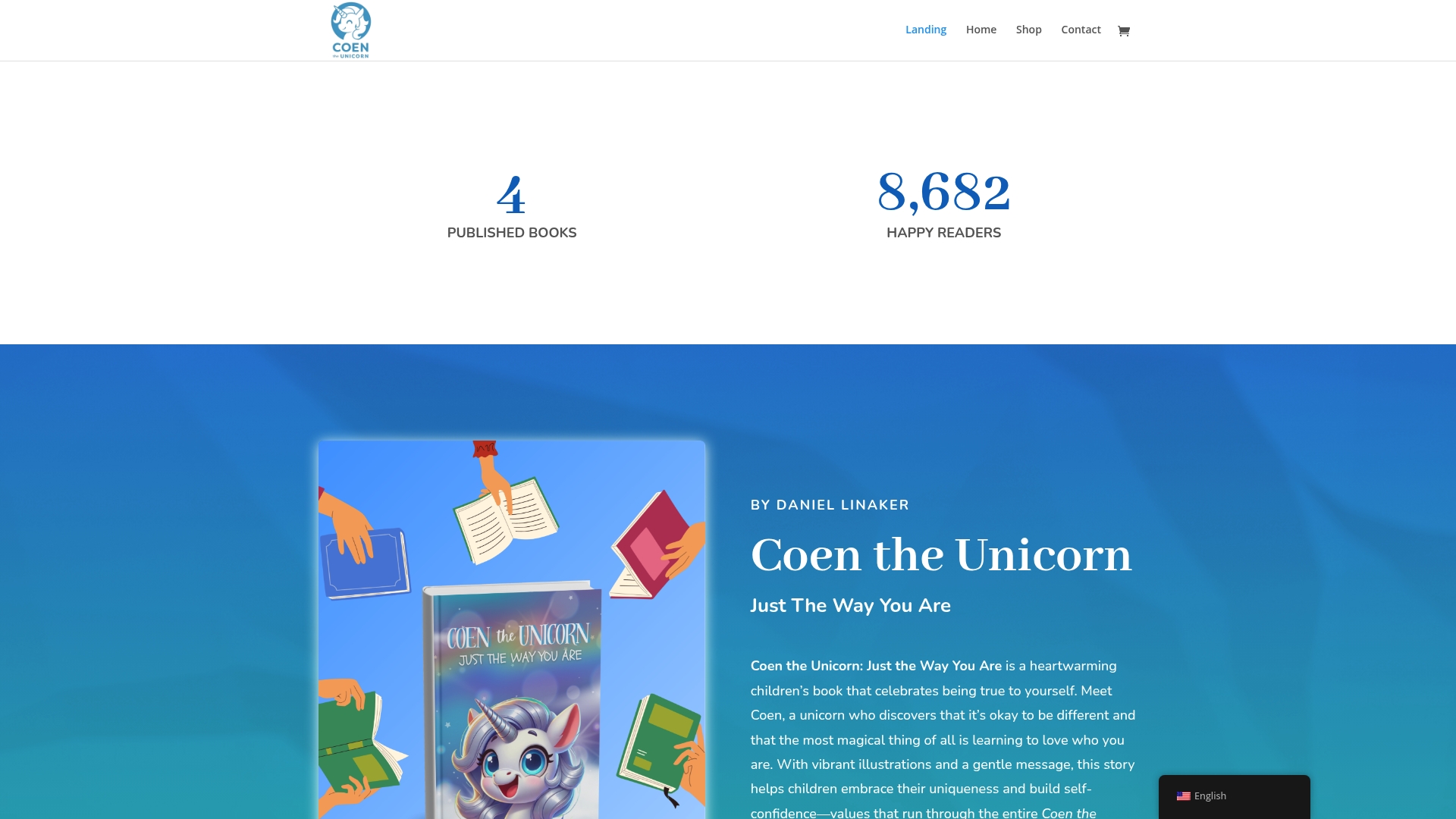
Exploring inclusive children’s books from the Coen the Unicorn collection is a wonderful place to start, whether you are a parent looking for a bedtime story that speaks to your child’s heart or an educator searching for classroom resources that reflect the full diversity of your students. You can also browse more inclusive stories across the full range of titles. Every book in the collection carries the same warm message: being different is not something to be ashamed of. It is a superpower.
Frequently asked questions
What is a social story and how does it help with inclusion?
A social story is a short, personalised narrative that uses simple language to explain social situations and expected behaviours, helping neurodivergent children navigate specific scenarios with greater confidence. Social stories improve social interaction outcomes in five of six controlled trials for children with ASD, making them one of the most evidence-backed inclusion tools available.
How does dialogic reading support neurodivergent children?
Dialogic reading involves an adult asking questions and encouraging responses during shared reading, which actively builds communication skills and engagement. Dialogic reading significantly improves verbal responses and engagement in young autistic children, making it especially valuable for early language and social development.
Can storytelling help with transitions or anxiety?
Yes, targeted stories are particularly effective for supporting children through transitions such as starting a new school or adjusting to routine changes, especially when used with repetition and reflection. The evidence is strongest for targeted use in scenarios like transitions and bullying coping, rather than as a general all-purpose strategy.
What types of books are best for classroom inclusion?
Books that reflect diverse identities and invite guided discussion, such as social stories and bibliotherapy resources, are most effective for building inclusive classroom cultures. Developmental bibliotherapy increases school adjustment skills in preschoolers, suggesting that purposeful book choices from an early age have lasting benefits for all children.
 English